
Tinder
by Match Group, LLC


About this app
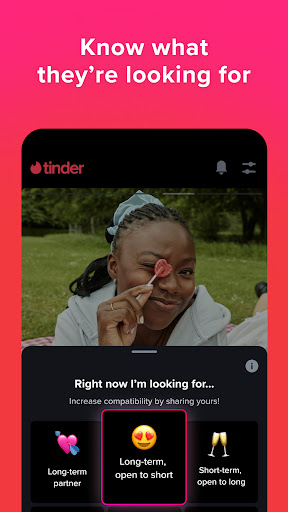
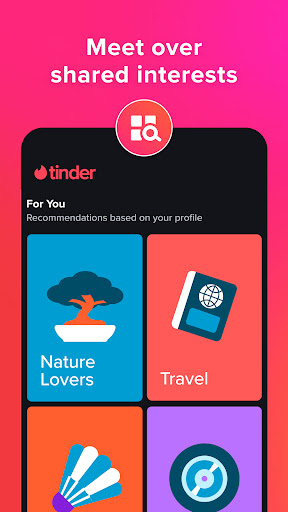
Tinder launched in September 2012 out of the Hatch Labs incubator at IAC (now Match Group) and within two years had popularized the left-right swipe as a universally understood UI gesture. The app's core innovation was reducing the friction of expressing interest to a single thumb movement and requiring mutual matching before any conversation could begin, reducing unsolicited messages. By 2024, Tinder had generated over seventy-five billion matches and remained the most downloaded dating app in the world despite intense competition from Hinge, Bumble, and Grindr. The free tier allows users to create a profile with up to nine photos, a short bio, and interest tags, then swipe right to like or left to pass on algorithmically served profiles. A mutual right-swipe creates a match and unlocks a chat thread. Paid tiers — Tinder Plus, Gold, and Platinum, ranging from roughly twelve to forty dollars per month depending on age and region — add features including unlimited likes, a Rewind button to undo accidental swipes, a Passport feature for swiping in different cities, Boost visibility multipliers, and the ability to see who liked you before swiping on them. Tinder's user base spans adults aged eighteen and above with the strongest concentration in the eighteen-to-thirty-five bracket. The app is used in most countries worldwide and is especially dominant in North America, Europe, and Australia. Common criticisms include the increasingly aggressive monetization that limits free-tier functionality, an opaque attractiveness-based ranking algorithm, and documented difficulty distinguishing real profiles from romance-scam bots even with the optional photo verification feature.
Features
- →Swipe Matching — Surfaces profiles one at a time for a left (pass) or right (like) decision, unlocking chat only on mutual likes.
- →Passport — Lets Gold and Platinum subscribers change their location to swipe and match in any city before traveling.
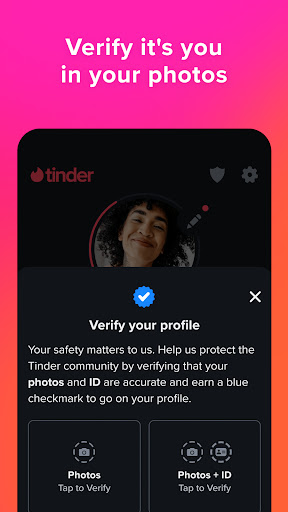
- →Photo Verification — Optionally verifies profile photos against a selfie to reduce catfishing and impersonation.
- →Boosts — Temporarily increases profile visibility in the local stack for thirty minutes to drive more matches.
Final take
Tinder's network size is its irreplaceable advantage — no other dating app can match its density in most cities globally, and for users willing to pay for Gold or Platinum, the feature set is genuinely useful. Free-tier users will find the throttled like limits and invisible-who-liked-you design frustrating enough to push them toward either upgrading or switching to Hinge, which offers a more generous free experience with equal user quality in major markets.
Pros
- ✓Largest active user base of any dating app ensures matches in most metropolitan areas globally
- ✓Passport feature (Gold/Platinum) lets users swipe in any city before traveling
- ✓Profile Prompts and loop video support give users more expressive tools than photo-only competitors
Cons
- ✗Free tier is heavily throttled — daily like limits and no rewind encourage subscription upgrades that cost up to $40/month
- ✗Elo-style desirability ranking algorithm is opaque; users report dramatic drops in visibility without explanation
- ✗Catfishing and romance scam reports are common; photo verification is optional and not universal
- ✗Play Store rating has declined as users report the app becoming increasingly pay-to-win since 2022