
Ticketmaster
by Ticketmaster


About this app
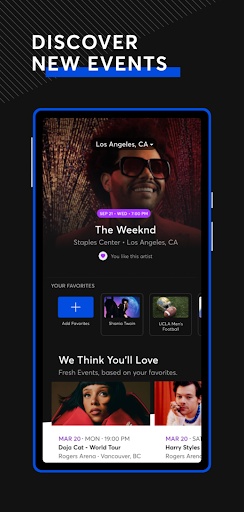
Ticketmaster was founded in Phoenix, Arizona in 1976 and has grown — through decades of venue contracts, acquisitions, and its 2010 merger with Live Nation — into the dominant global platform for live event ticketing. Today it controls ticketing for thousands of major venues and artists across North America, the UK, Australia, and elsewhere, creating a near-monopoly position that has drawn sustained antitrust scrutiny including a 2022 US Department of Justice investigation. The app handles tickets for concerts, sports, theater, and festivals, and with over 50 million installs it is unavoidable for anyone who attends live events at major venues. The app's core function — buying, storing, and presenting tickets — works reliably. Digital mobile tickets are stored in the app wallet and display a rotating barcode to prevent screenshots from being used fraudulently. The seat view feature shows computer-generated or crowd-sourced photos from your exact seat before purchase, which is genuinely useful. Ticket transfers to friends and family are supported on most events, and a resale marketplace (Ticketmaster Resale, formerly TM+) allows you to sell or buy tickets face-value-adjacent or above. Fan-to-fan transfers on many artists have been restricted to Ticketmaster's own transfer system, preventing use of competitor resale platforms. Ticketmaster is not chosen — it is endured. Because of its exclusive contracts with most major venues, the app is functionally required to attend a huge proportion of live events in the US and many other markets. The technology works and mobile ticket delivery is convenient, but the fee structure — where a $60 face value ticket can cost $80+ after service fees, facility charges, and order processing fees — is the source of persistent and justified consumer frustration. For smaller events and regional venues, alternatives like AXS, Eventbrite, or direct venue box offices may offer better pricing. But for major arena and stadium events, Ticketmaster is usually the only option.
Features
- →Mobile Ticket Wallet — Rotating barcode digital tickets stored in-app prevent fraud and eliminate the risk of losing or forgetting physical tickets.
- →Seat View Previews — See crowd-sourced or generated photos from your exact seat location before committing to a purchase.
- →Verified Fan Presales — Register for high-demand shows to receive unique presale codes that bypass general onsale queues for select artists.
- →Ticket Transfer — Send tickets to friends or family directly through the app to any Ticketmaster account with a phone number or email.
Final take
Ticketmaster is a necessary app for live event attendees in the US, not a preferred one. The mobile ticketing experience works well once you have bought, but the pervasive fees, onsale technical failures for major events, and lack of meaningful competition make it a frustrating platform. Install it because you have to — just go in with eyes open on total cost.
Pros
- ✓Widest selection of live events — most major venues and artists are exclusive to Ticketmaster
- ✓Mobile ticket delivery with Wallet integration reduces lost-ticket risk vs. paper alternatives
- ✓Verified Fan and presale access systems give registered fans early ticket opportunities
Cons
- ✗Service fees, facility fees, and order processing fees routinely add 25-35% on top of the face value price
- ✗High-demand onsales (Taylor Swift, NFL playoffs) have a poor queue and crash record that has drawn congressional scrutiny
- ✗Transfer and resale restrictions on many tickets lock buyers into Ticketmaster's own secondary market at inflated prices
- ✗Customer service for disputed charges or cancelled events is widely criticized for slow and inadequate resolutions